We do not diagnose disease or recommend a treatment protocol or dietary supplement for the treatment of disease. You should share this information with your physician who can determine what nutrition and disease treatment regimen is best for you. Ask your physician any questions you have concerning your medical condition. You can search this site or the web for topics of interest that I may have written (use Dr Simone and topic).
“We provide truthful information without emotion or influence from the medical establishment, pharmaceutical industry, national organizations, special interest groups or government agencies.” Charles B Simone, M.MS., M.D.
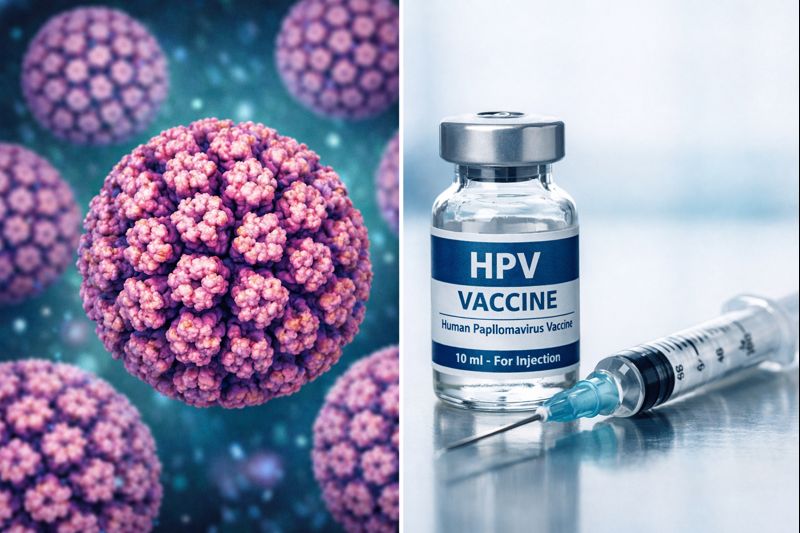
This is a summary. Scientists are accusing the Cochrane Library of overstating the HPV vaccine’s safety and cancer-prevention benefits. Although Cochrane claimed the vaccine reduces cervical cancer by up to 80% and causes no serious harm, critics say the reviews relied largely on studies with serious or critical risk of bias. Many studies were too short to measure cancer, used precancerous lesions as proxies, or were vulnerable to “healthy user” bias. Critics also dispute claims of no serious adverse events, citing published studies and adverse-event databases. U.S. regulators are now reexamining HPV vaccine safety, effectiveness, and dosing.
I am a MOTHER of 2 children and I’m trying to decide if my children should take the HPV shot. Some from the medical establishment, pharmaceutical industry, national organizations, special interest groups, and government agencies say yes. But many others say no. Can you shed some more detail on this dilemma?
Well. In November 2025, the Cochrane Library published two high-profile reviews claiming the Human Papilloma Virus HPV “vaccine” is safe and reduces cervical cancer by up to 80 percent when given before age 16 (1). Major media outlets widely echoed these claims, citing Cochrane’s reputation as the gold standard for systematic reviews.
However, independent scientists who closely analyzed the reviews argue the conclusions are overstated and rely heavily on studies with serious or critical risk of bias. They say the press release glossed over major methodological weaknesses and exaggerated what the evidence actually shows. According to the study authors themselves, the great majority of the papers they used to draw their most dramatic conclusions concerning cancer and lesions connected to cancer were at quote “serious or critical risk of bias.”
One review examined clinical trials (2), but the authors of that review acknowledged the trials were too short for cancers to develop and reported no cancer cases. The second review relied on observational studies (3) and claimed “moderate-certainty evidence” that HPV vaccination reduces cervical cancer. Critics counter that most of the 20 studies cited had serious or critical bias, and only a few had even moderate-quality evidence — some of which did not measure cancer at all or had insufficient follow-up.
Many studies used precancerous lesions (CIN3+) as a proxy for cancer, yet nearly all of those studies were also rated quote “high risk of bias” by the review’s own authors. Despite this, Cochrane concluded there was consistent global evidence that HPV vaccination reduces cervical cancer — a claim critics call “completely misleading.”
The reviews also relied on a widely cited 2021 Lancet study (4) from England that claimed HPV vaccination had nearly eliminated cervical cancer in young women. Critics say national cancer data show cervical cancer rates were already declining before the vaccine’s introduction and have not fallen further as claimed, calling the Lancet conclusions “absurd.”
Experts further argue that observational studies are vulnerable to “healthy user” bias, since vaccinated individuals are more likely to engage in preventive care such as cervical screening, which itself reduces cancer risk.
Cochrane also stated there was no evidence of serious adverse events, but critics point to safety signals reported in vaccine adverse-event databases, peer-reviewed studies, and court-released internal documents related to the HPV vaccine, including reports of neurological and autoimmune conditions like POTS [postural orthostatic tachycardia syndrome] and POI [primary ovarian insufficiency].
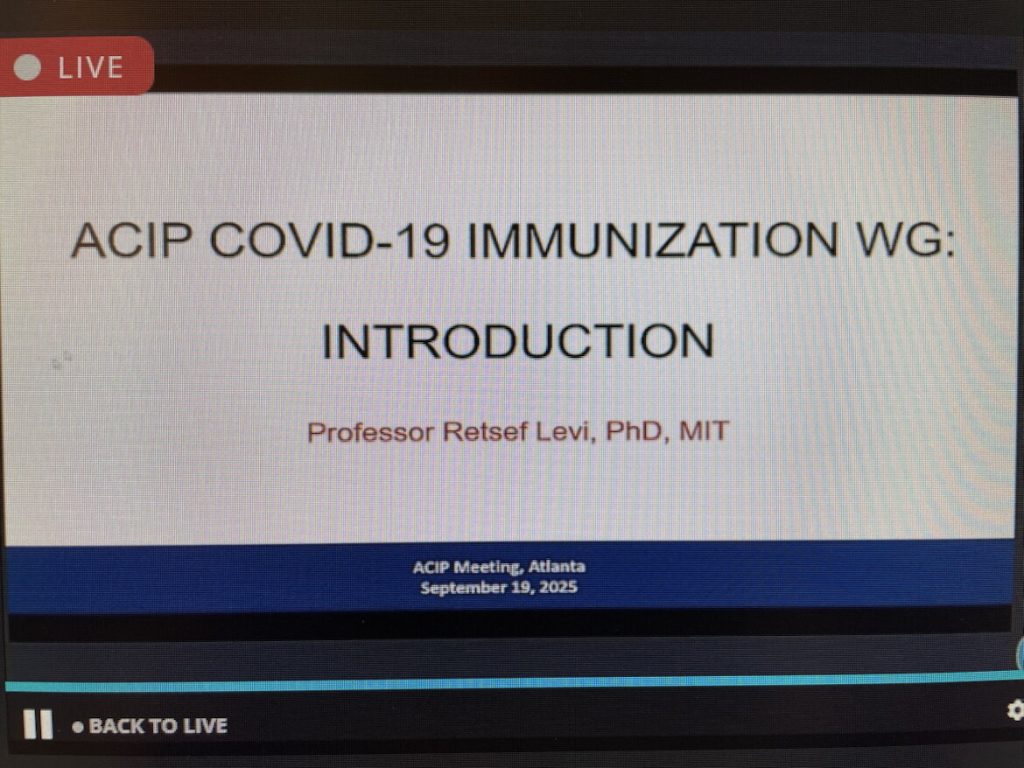
In response to growing debate, U.S. regulators are now reexamining HPV vaccination. The CDC recently shifted to a single-dose recommendation and convened a new advisory workgroup to review the vaccine’s effectiveness, safety, and long-term population impact. BUT they put Retsef Levi PhD in charge who as a member of the CDC Advisory Committee on Immunization Practices said quote “We are going to very much stay away from the narratives or statements about safe and effective. We don’t believe these are appropriate or scientific language to talk about the issues related to vaccination.”
Most HPV infections — even high-risk types — are cleared by the immune system. Cervical cancer is a predictable and preventable disease because it can be identified early through regular pap screenings and treated.
And remember,
THE SCIENTIFIC AND LEGAL DEFINITION OF A VACCINE IS THAT IT MUST PREVENT THE DISEASE AND ITS TRANSMISSION