by Dr Simone | Aug 21, 2026 | Big Pharma, Cancer, CANCER RELATED FATIGUE CRF, CDC, Dr Simone, FDA, Healthcare, HEALTHCARE CORPORATIZATION, Healthcare Costs, HEALTHCARE CRISIS, The Simone Report
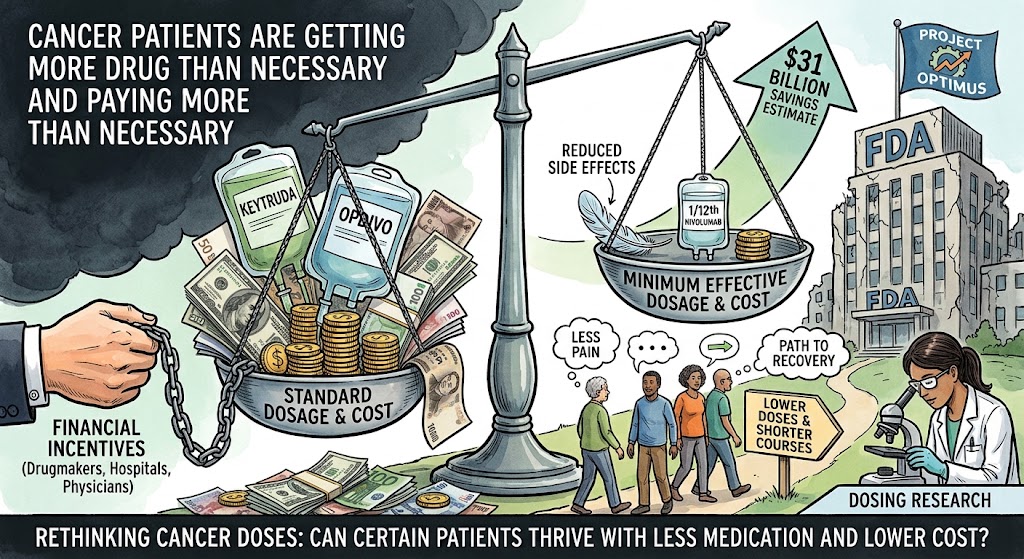
RESEARCH IN INDIA HAS EVEN FOUND THAT ONE-TWELFTH OF THE STANDARD NIVOLUMAB DOSE MAY BE EFFECTIVE.
DRUGMAKERS, HOSPITALS, AND PHYSICIANS HAVE FINANCIAL INCENTIVES TO MAINTAIN HIGHER DOSING
ONE ESTIMATE SUGGESTS THE U.S. COULD HAVE SAVED ROUGHLY $31 BILLION IN 2024 BY USING THE LOWEST EFFECTIVE DOSES OF 29 EXPENSIVE CANCER DRUGS.

by Dr Simone | May 15, 2026 | Dr Simone, Health Policy, Healthcare, HEALTHCARE CORPORATIZATION, Healthcare Costs, HEALTHCARE CRISIS
To restore balance, academic medical centers should refocus on education, research, and public service; protect trainees from purely profit-driven pressures; and promote physician-leaders who remain directly engaged in patient care and teaching.
More than a century after the Flexner Report warned about commercialization in medicine, business priorities again threaten to overshadow the core mission of academic medicine: patient care, education, and scientific discovery.

by Dr Simone | Mar 12, 2026 | “Shared clinical decision-making”, Advisory Committee on Immunization Practices, CDC, Dr Simone, FDA, Healthcare, HEALTHCARE CRISIS, mRNA COVID shot, The Simone Report
In principle, shared clinical decision-making aims to make care more individualized and collaborative. In practice, however, it can place complex judgments about uncertain evidence into the hands of patients who may have limited time, information, or technical expertise to fully evaluate the choices.

by Dr Simone | Nov 15, 2025 | Health Policy, Healthcare, HEALTHCARE CORPORATIZATION, Healthcare Costs, HEALTHCARE CRISIS, The Simone Report
Big investors are buying hospitals, nursing homes, and doctor’s practices. This can bring money and technology—but often puts profits over patients.
Costs up, quality down: Private equity nursing homes have worse staffing and outcomes. Hospital mergers drive prices up.
Doctors under pressure: Loopholes let corporations control practices behind the scenes.
Solutions: Transparency on ownership, quality standards, smarter Medicare/Medicaid rules, and stronger oversight.
by Dr Simone | May 14, 2025 | Dr Simone, Dr Simone Report, Drugs, FDA, Healthcare, Healthcare Costs, TELEHEALTH
Current rules from the FDA apply to drug companies’ ads, requiring them to show risks. But telehealth companies aren’t held to the same standards — even when they promote the same drugs. That could mislead patients.
Are doctors favoring drugs from partner companies?
Are patients being properly evaluated?
What exactly are the companies paying each other for?
Is the Anti-Kickback Statute (AKS) being violated?

by Dr Simone | Jan 23, 2025 | AI, Artificial Intelligence, Big Pharma, Cancer and Nutrition, Healthcare, Medicine
There is a role for AI, of course, but not for “rapidly curing diseases.”
Bottom line is PREVENTION by following our Ten Point Plan to Decrease Your Risk of Getting Cancer and other Chronic Diseases.

by Dr Simone | Dec 22, 2024 | Antioxidants, Cancer, Cancer and Nutrition, Health Policy, Healthcare, Healthcare Costs, HEALTHCARE CRISIS, Inflammation, Linus Pauling PhD, VITAMINS
VITAMIN C PLUS CHEMOTHERAPY DOUBLES SURVIVAL in METASTATIC PANCREATIC CANCER

by Dr Simone | Jul 1, 2019 | Big Pharma, Cancer and Nutrition, Cardiovascular Disease, Charles B SimoneMD, Dr Simone, Healthcare, Healthcare Costs, HEALTHCARE CRISIS, HEALTHY START, HEALTHY START PREVENTION PROGRAM
ARE WE MAKING A DIFFERENCE? Dr. Simone discusses with Bishop WILCOX and First Lady Wilcox whether his Ten Point Prevention Plan of lifestyle modification information is actually causing people to make changes that are needed to effect better health outcomes.