by Dr Simone | May 15, 2026 | Dr Simone, Health Policy, Healthcare, HEALTHCARE CORPORATIZATION, Healthcare Costs, HEALTHCARE CRISIS
To restore balance, academic medical centers should refocus on education, research, and public service; protect trainees from purely profit-driven pressures; and promote physician-leaders who remain directly engaged in patient care and teaching.
More than a century after the Flexner Report warned about commercialization in medicine, business priorities again threaten to overshadow the core mission of academic medicine: patient care, education, and scientific discovery.

by Dr Simone | May 11, 2026 | AGING, Anti-Aging, COGNITIVE AGING, DEMENTIA, Dr Simone, Exercise
Aging is often associated with inevitable physical and cognitive decline, but emerging evidence suggests many older adults maintain—or even improve—their function over time. A large longitudinal study published in Yale School of Public Health and reported in the journal Geriatrics found that more than 45% of adults age 65 and older demonstrated improvement in cognitive function, physical function, or both over more than a decade of follow-up.[1]
Researchers identified one major predictor of successful aging: positive beliefs about aging itself. Older adults with more optimistic attitudes toward aging were significantly more likely to improve in cognition and walking speed, a key geriatric “vital sign” strongly associated with disability, hospitalization, falls, and mortality.[1,2]
by Dr Simone | May 8, 2026 | Dr Simone, VAPING
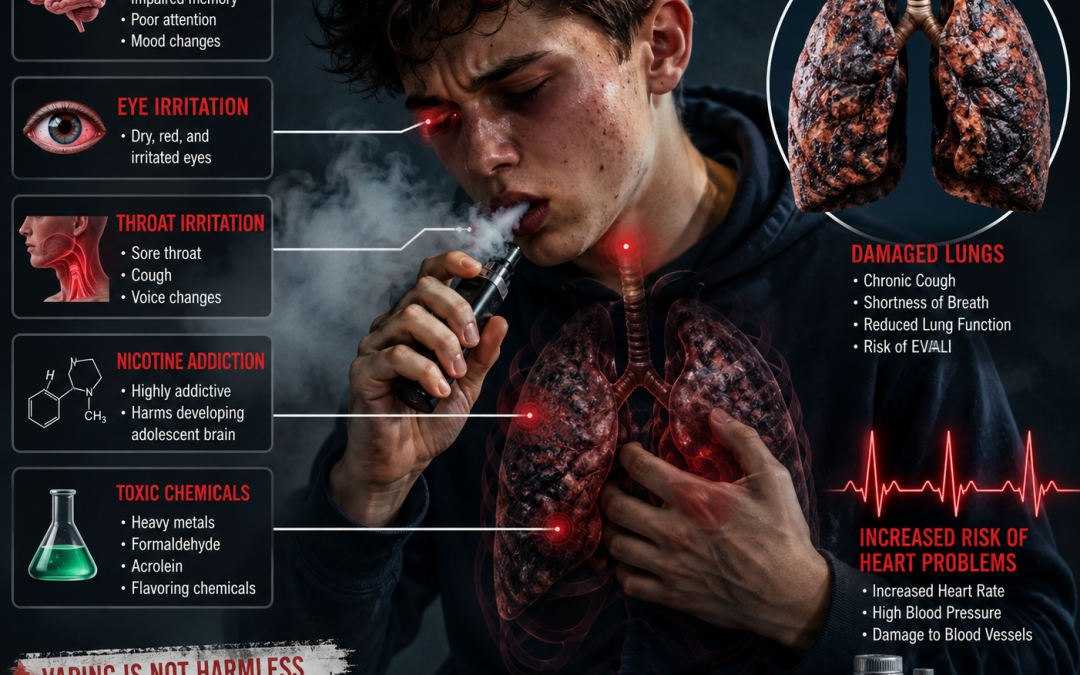
Given rising evidence of pulmonary, cardiovascular, neurologic, and addiction-related harms — especially among youth — public health policy should prioritize prevention of adolescent nicotine exposure, transparent labeling of vaping products, tighter regulation of flavorings and marketing practices, and continued long-term safety research on e-cigarettes.