by Dr Simone | Aug 21, 2026 | Big Pharma, Cancer, CANCER RELATED FATIGUE CRF, CDC, Dr Simone, FDA, Healthcare, HEALTHCARE CORPORATIZATION, Healthcare Costs, HEALTHCARE CRISIS, The Simone Report
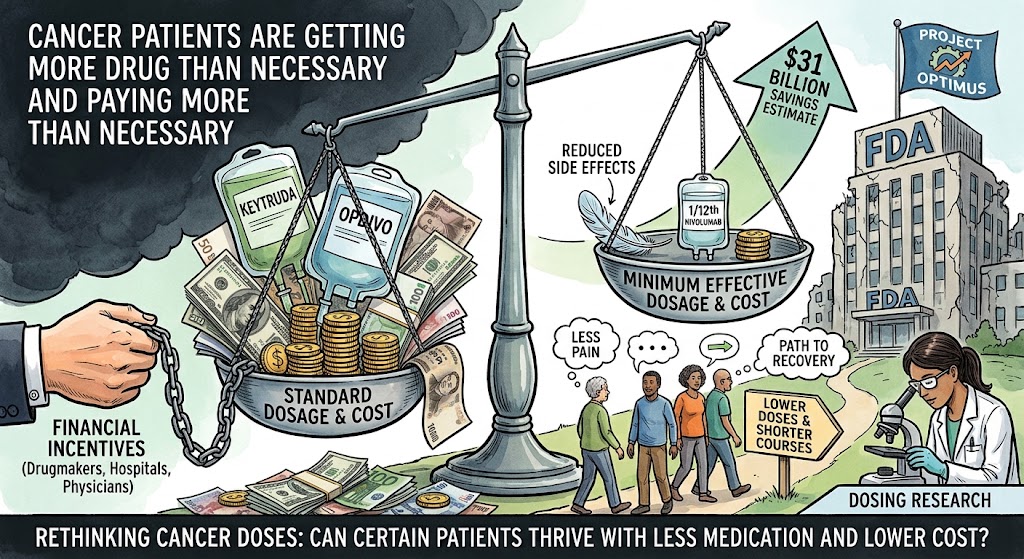
RESEARCH IN INDIA HAS EVEN FOUND THAT ONE-TWELFTH OF THE STANDARD NIVOLUMAB DOSE MAY BE EFFECTIVE.
DRUGMAKERS, HOSPITALS, AND PHYSICIANS HAVE FINANCIAL INCENTIVES TO MAINTAIN HIGHER DOSING
ONE ESTIMATE SUGGESTS THE U.S. COULD HAVE SAVED ROUGHLY $31 BILLION IN 2024 BY USING THE LOWEST EFFECTIVE DOSES OF 29 EXPENSIVE CANCER DRUGS.

by Dr Simone | May 15, 2026 | Dr Simone, Health Policy, Healthcare, HEALTHCARE CORPORATIZATION, Healthcare Costs, HEALTHCARE CRISIS
To restore balance, academic medical centers should refocus on education, research, and public service; protect trainees from purely profit-driven pressures; and promote physician-leaders who remain directly engaged in patient care and teaching.
More than a century after the Flexner Report warned about commercialization in medicine, business priorities again threaten to overshadow the core mission of academic medicine: patient care, education, and scientific discovery.
by Dr Simone | Apr 27, 2026 | Dr Simone, Healthcare Costs, HEALTHCARE CRISIS, PSYCHEDELICS
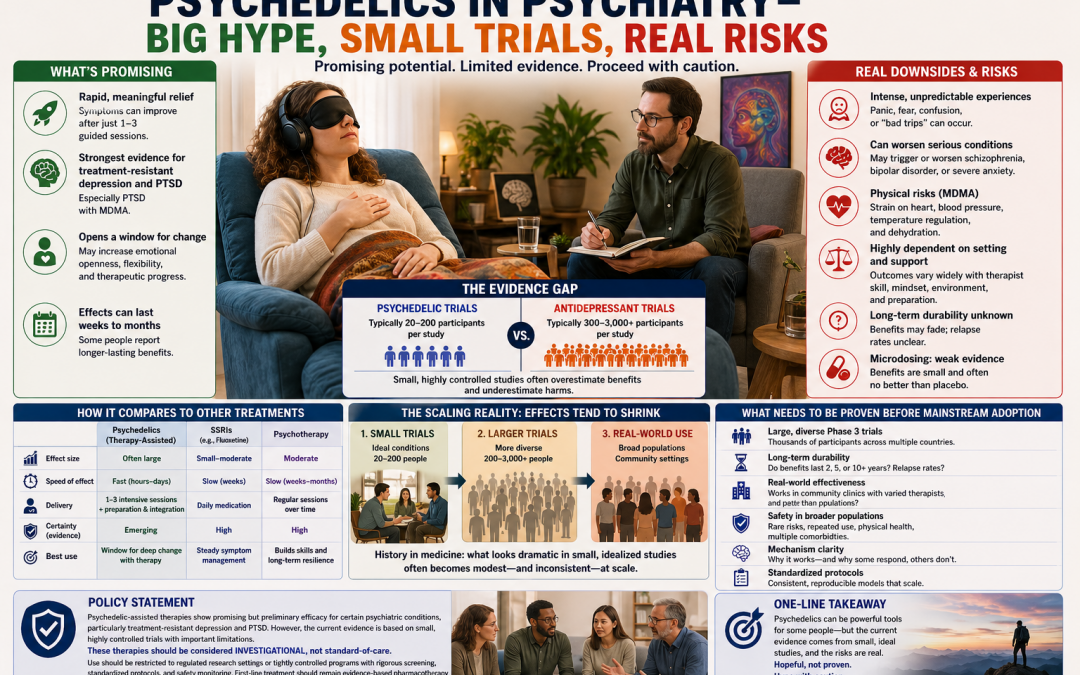
Psychedelic-assisted therapies, including psilocybin- and MDMA-based interventions, demonstrate promising but preliminary efficacy for certain psychiatric conditions, particularly treatment-resistant depression and post-traumatic stress disorder. However, the current evidence base is derived predominantly from small, highly controlled clinical trials with carefully selected participants, intensive therapeutic support, and methodological limitations (including challenges with blinding and expectancy effects).
Until such evidence is established, first-line treatment should remain evidence-based pharmacotherapy and psychotherapy with well-characterized efficacy and safety profiles.

by Dr Simone | Apr 22, 2026 | ANTICOMPETITIVE MERGERS, Big Pharma, Dr Simone, Healthcare Costs, HEALTHCARE CRISIS
U.S. antitrust policy should be strengthened to address anticompetitive mergers in the pharmaceutical sector, particularly “killer acquisitions” that eliminate emerging competition. This includes lowering reporting thresholds in highly concentrated health care markets, requiring the inclusion of intangible assets such as patents in merger evaluations, and applying heightened scrutiny to transactions involving overlapping products. Regulators, including the Federal Trade Commission and the Department of Justice, should also require enforceable commitments to continued product development and post-merger transparency. These reforms would help preserve competition, promote innovation, and protect patients from high prices and reduced access to essential therapies.
by Dr Simone | Apr 2, 2026 | ACE2, Big Pharma, Bioweapon, CDC, CORONAVIRUS, COVID-19, Dr Simone, FDA, HEALTHCARE CRISIS, VACCINE
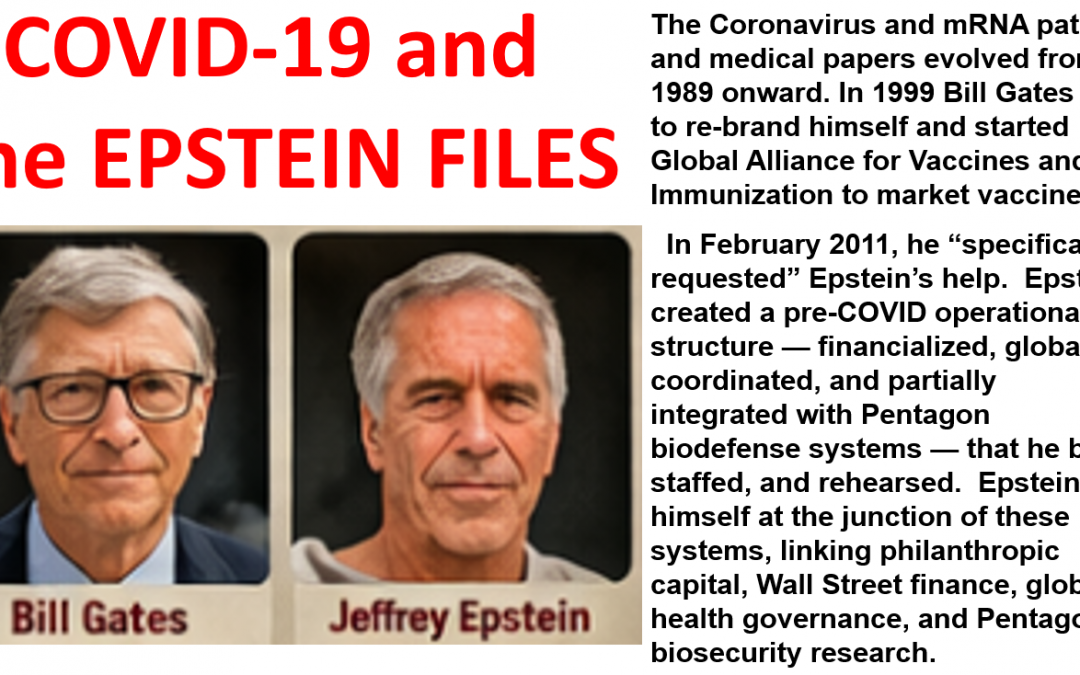
The Coronavirus and mRNA patents and medical papers evolved from 1989 onward. In 1999 Bill Gates had to re-brand himself and started Global Alliance for Vaccines and Immunization to market vaccines.
In Feb 2011, he “specifically requested” Epstein’s help. Epstein created a pre-COVID operational structure — financialized, globally coordinated, and partially integrated with Pentagon biodefense systems — that he built, staffed, and rehearsed. Epstein put himself at the junction of these systems, linking philanthropic capital, Wall Street finance, global health governance, and Pentagon biosecurity research.

by Dr Simone | Mar 12, 2026 | “Shared clinical decision-making”, Advisory Committee on Immunization Practices, CDC, Dr Simone, FDA, Healthcare, HEALTHCARE CRISIS, mRNA COVID shot, The Simone Report
In principle, shared clinical decision-making aims to make care more individualized and collaborative. In practice, however, it can place complex judgments about uncertain evidence into the hands of patients who may have limited time, information, or technical expertise to fully evaluate the choices.

by Dr Simone | Nov 15, 2025 | Health Policy, Healthcare, HEALTHCARE CORPORATIZATION, Healthcare Costs, HEALTHCARE CRISIS, The Simone Report
Big investors are buying hospitals, nursing homes, and doctor’s practices. This can bring money and technology—but often puts profits over patients.
Costs up, quality down: Private equity nursing homes have worse staffing and outcomes. Hospital mergers drive prices up.
Doctors under pressure: Loopholes let corporations control practices behind the scenes.
Solutions: Transparency on ownership, quality standards, smarter Medicare/Medicaid rules, and stronger oversight.

by Dr Simone | Dec 22, 2024 | Antioxidants, Cancer, Cancer and Nutrition, Health Policy, Healthcare, Healthcare Costs, HEALTHCARE CRISIS, Inflammation, Linus Pauling PhD, VITAMINS
VITAMIN C PLUS CHEMOTHERAPY DOUBLES SURVIVAL in METASTATIC PANCREATIC CANCER

by Dr Simone | Jul 1, 2019 | Big Pharma, Cancer and Nutrition, Cardiovascular Disease, Charles B SimoneMD, Dr Simone, Healthcare, Healthcare Costs, HEALTHCARE CRISIS, HEALTHY START, HEALTHY START PREVENTION PROGRAM
ARE WE MAKING A DIFFERENCE? Dr. Simone discusses with Bishop WILCOX and First Lady Wilcox whether his Ten Point Prevention Plan of lifestyle modification information is actually causing people to make changes that are needed to effect better health outcomes.