We do not diagnose disease or recommend a treatment protocol or dietary supplement for the treatment of disease. You should share this information with your physician who can determine what nutrition and disease treatment regimen is best for you. Ask your physician any questions you have concerning your medical condition.
You can search this site or the web for topics of interest that I may have written (use Dr Simone and topic). “We provide truthful information without emotion or influence from the medical establishment, pharmaceutical industry, national organizations, special interest groups or government agencies.” Charles B Simone, M.MS., M.D.
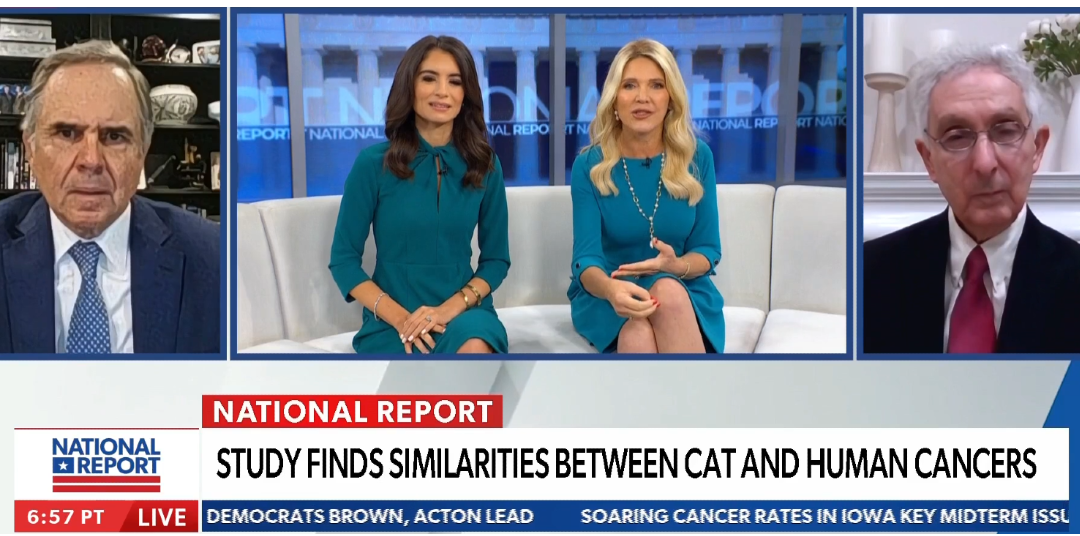
Cancer is a leading cause of illness and death in cats, yet the genetics of these cancers have not been well studied compared to humans or dogs. The researchers from the University of Gwelf examined nearly 500 samples from cats worldwide and found similarities between cat and human cancers of multiple organs especially the gene linked to aggressive breast cancer, FBXW7. Mutations in it are associated with poorer outcomes in humans, closely matching what researchers saw in cats.
Cats are a good model because they develop cancer spontaneously and lab animals do not. The authors suggest that cats have the same cancer genes because they share our living environments, so they may encounter the same household chemicals, air pollutants and smoke.
But let me offer another plausible explanation. The National Academy of Science says that 60% of women’s cancers and 40% of men’s cancers are related to nutritional factors alone – a high-fat, low-fiber diet.
More than 90% of pet cats get almost all of their nutrition from commercial wet or dry cat food. As obligate carnivores they are biologically built to utilize protein and fat as their primary source of energy because they lack enzymes needed to breakdown large amounts of carbohydrates. Humans are omnivores. Also, cats rely heavily on scent and taste to judge food safety. Animal fat is the primary driver that makes food appealing to them.
Nutrient CAT (Ideal/Commercial) HUMAN (Recommended)
Fat30% – 50%20% – 35%
Protein40% – 60%10% – 35%
Dr Nicole Simone, Radiation Oncologist at Jefferson in Philadelphia, is studying the effects of low calories and low fats on breast cancer patients who are undergoing radiation treatments.