We do not diagnose disease or recommend a treatment protocol or dietary supplement for the treatment of disease. You should share this information with your physician who can determine what nutrition and disease treatment regimen is best for you. Ask your physician any questions you have concerning your medical condition.
You can search this site or the web for topics of interest that I may have written (use Dr Simone and topic). “We provide truthful information without emotion or influence from the medical establishment, pharmaceutical industry, national organizations, special interest groups or government agencies.” Charles B Simone, M.MS., M.D.
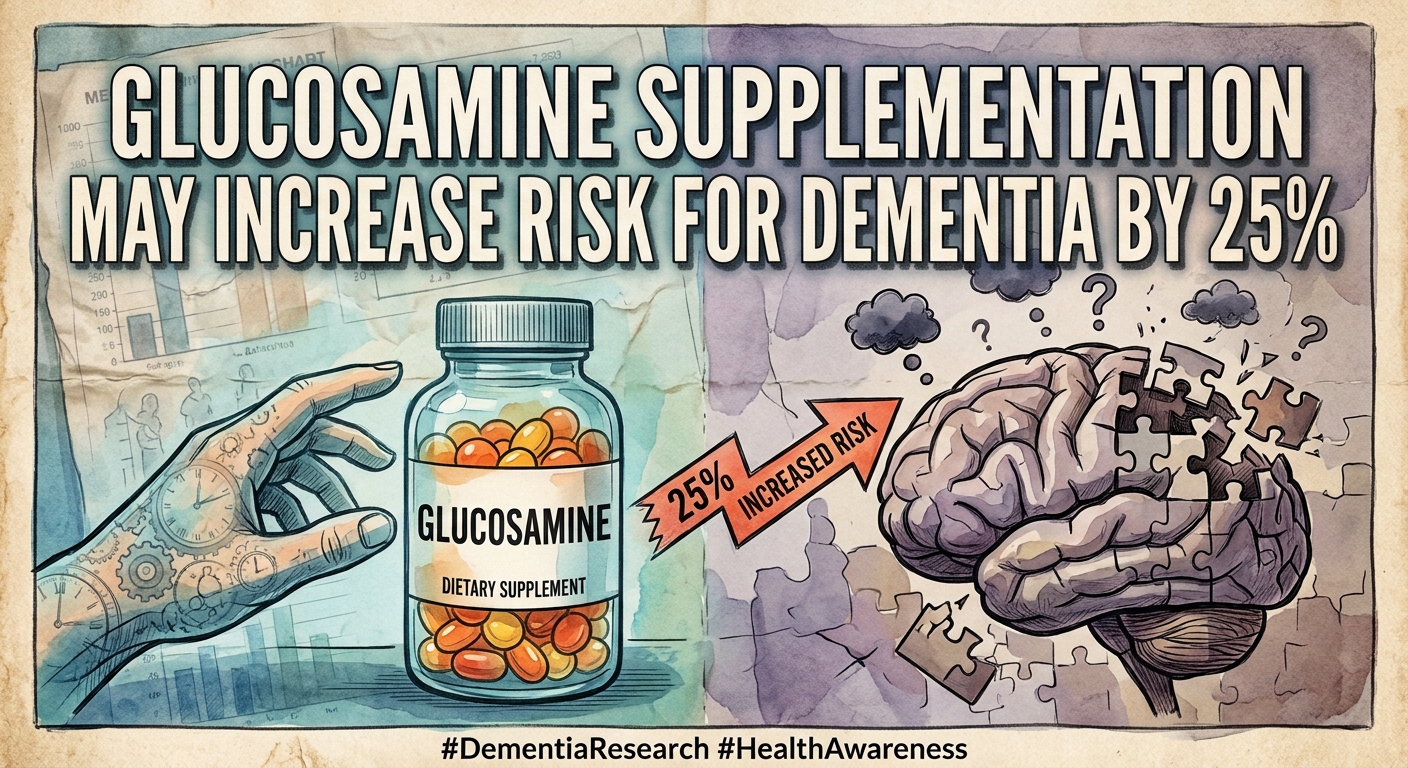
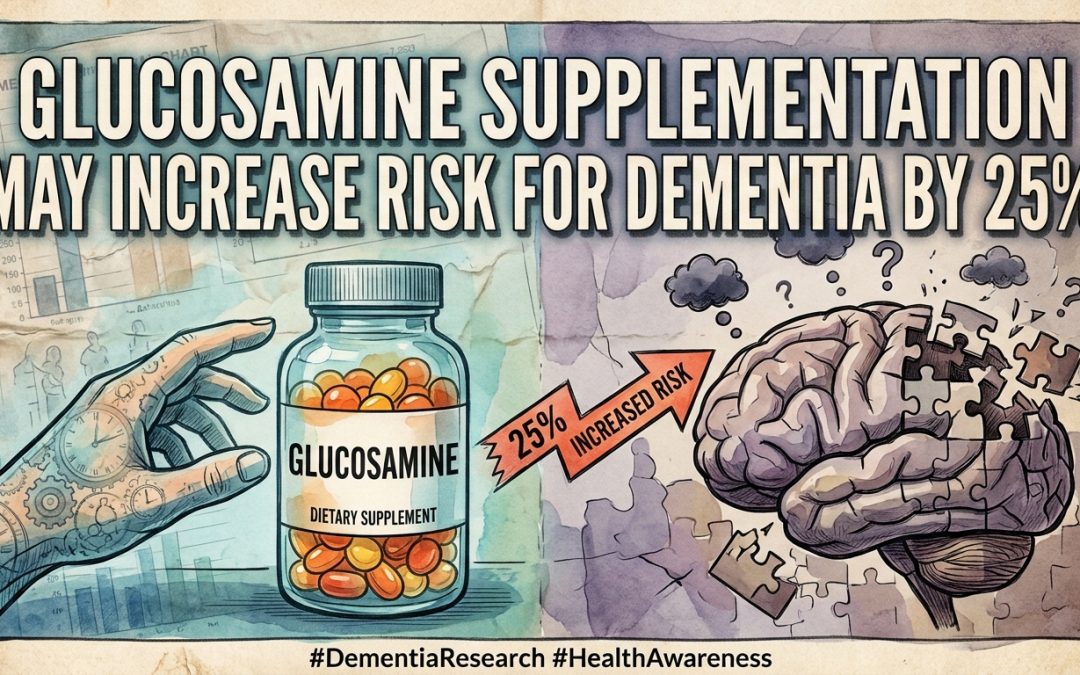
GLUCOSAMINE SUPPLEMENTATION MAY INCREASE RISK FOR DEMENTIA BY 25%
https://tinyurl.com/2jjehdtm
https://www.simonesuperenergy.com/wp-content/uploads/2026/10/GLUCOSAMINE-SUPPLEMENTATION-INCREASES-RISK-FOR-DEMENTIA-BY-25.wav
Key Findings & Clinical Implications
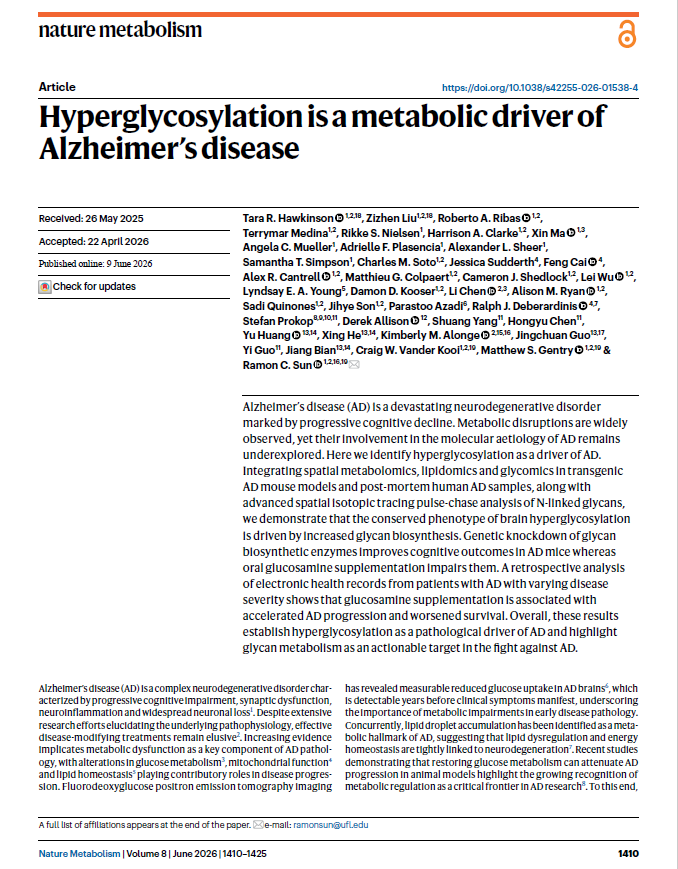
A recent study led by researchers at the University of Florida (published in Nature Metabolism) analyzed patient health records from 2012 to 2024 and highlighted potential risks associated with glucosamine use in individuals with cognitive impairment:
-
Progression to Dementia: Glucosamine use was associated with a 25% higher likelihood that mild cognitive impairment (MCI) would progress to Alzheimer’s disease or related dementias (ADRD).
-
Mortality Risk: Among patients already diagnosed with ADRD, glucosamine use was linked to a 25% higher mortality risk over a defined period. (This specific mortality association was not observed in the MCI group, suggesting a stronger effect once dementia is established).
-
Clinical Takeaway: The human findings are observational, so other factors could help explain the associations. A clinical trial would be needed to determine whether glucosamine directly affects disease progression. If you have cognitive impairment or dementia and take glucosamine, discuss its risks and benefits with your clinician.
Underlying Biological Mechanism
Experimental models (including human brain tissue and mouse models of Alzheimer’s disease) revealed that glucosamine can cross the blood-brain barrier. It appears to exacerbate dysregulated brain metabolism—specifically by increasing abnormal protein “sugar tagging” (hyperglycosylation), which can worsen underlying tau pathology and memory deficits.
Non-Supplement Strategies for Joint Pain in Cognition-Impaired Patients
To minimize systemic or neurological risks associated with certain oral supplements, patients and caregivers can explore safe, non-pharmacological alternatives for managing joint pain:
-
Topical Treatments: Options like topical NSAIDs (e.g., diclofenac gel) or capsaicin creams provide localized relief with minimal systemic absorption, reducing cognitive and gastrointestinal side effects.
-
Targeted Physical Therapy: Professional guidance helps improve joint stability, strengthen surrounding muscles, and address gait issues mechanically.
-
Low-Impact Exercise: Activities such as aquatic therapy, stationary cycling, and gentle stretching maintain joint mobility without placing excessive mechanical stress on weight-bearing joints.
-
Thermal Modalities: Moist heat packs (to loosen stiff joints and boost blood flow and mitigate acute inflammation) offers drug-free comfort.
-
Assistive Devices: Utilizing ergonomic supports, braces, or mobility aids (such as canes) helps redistribute weight and lower fall risks.
Source reference: Nature Metabolism Study
https://www.nature.com/articles/s42255-026-01538-4