We do not diagnose disease or recommend a dietary supplement for the treatment of disease. You should share this information with your physician who can determine what nutrition, disease and injury treatment regimen is best for you. You can search this site or the web for topics of interest that I may have written (use Dr Simone and topic).
“We provide truthful information without emotion or influence from the medical establishment, pharmaceutical industry, national organizations, special interest groups or government agencies.” Charles B Simone, M.MS., M.D.
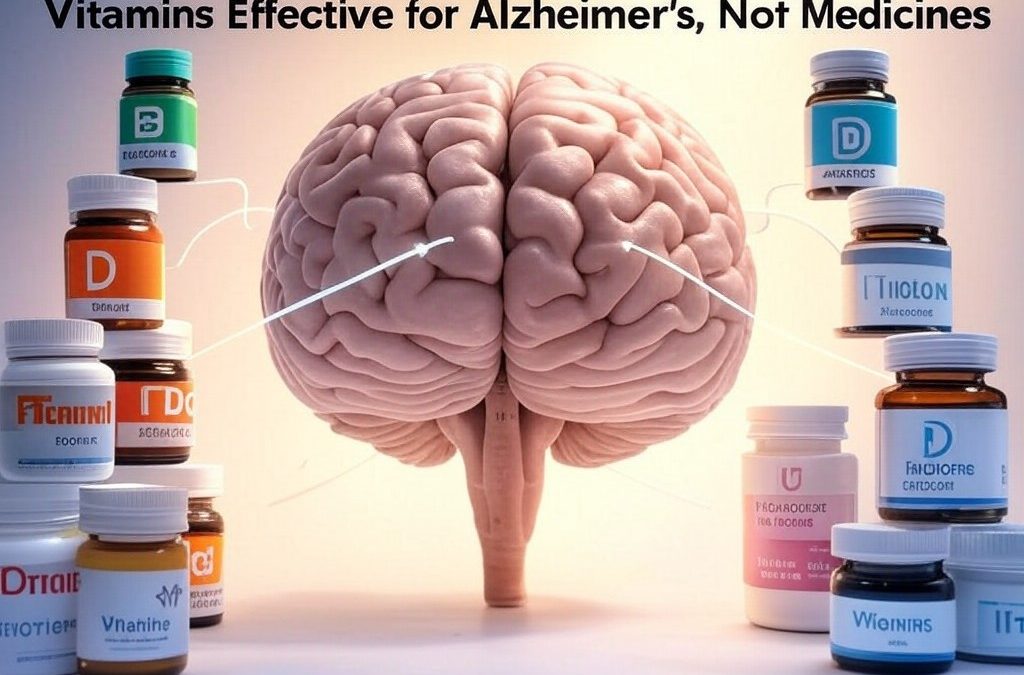
ALZHEIMER and DEMENTIA – VITAMINS EFFECTIVE NOT MEDICINES
Lawrenceville, NJ (Dr Simone) – One in 3 seniors dies with Alzheimer’s or another dementia. In 2012, 15.4 million caregivers provided more than 17.5 billion hours of unpaid care valued at $216 billion. In 2013 Alzheimer’s cost the US $203 billion. This is expected to rise to $1.2 trillion by 2050.
-
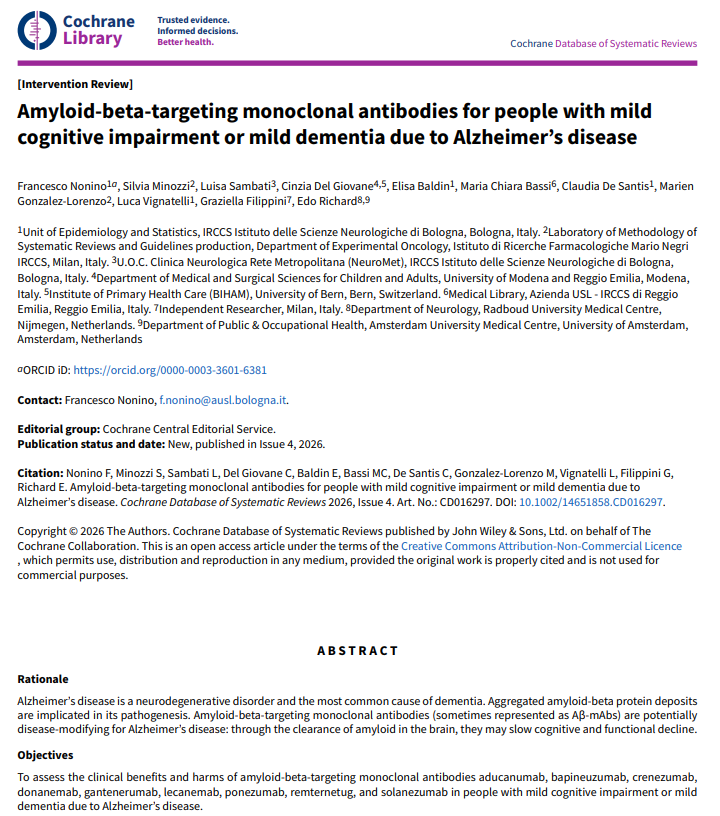
A meta-analysis found amyloid-clearing drugs showed no clinically meaningful cognitive benefit and increased risks of brain swelling and bleeding.
-
Those drugs: aducanumab, bapineuzumab, crenezumab,
donanemab, gantenerumab, lecanemab, ponezumab, remternetug, and solanezumab
-
The review pooled 17 trials (20,342 participants with mild cognitive impairment or mild Alzheimer’s dementia) of seven medicines, finding effects at 18 months were absent or trivial on standard cognitive tests.
Reference
FDA approved drugs to treat Alzheimer’s are essentially ineffective: Donepezil (Aricept), Galantamine (Razadyne), Memantine (Namenda), Rivastigmine (Exelon). Based on the published evidence using Alzheimer’s Disease Assessment Scale-cognitive and the Progressive Deterioration Scale of the drugs’ effectiveness, side effects, tolerability, flexibility of use, and cost that ranges from $177 to $400 per month, patients do not get a meaningful improvement, or a significant delay in the worsening of symptoms.* In fact, many patients stopped taking the medication because they could not tolerate the adverse effects of forgetfulness and confusion, the very symptoms for which the drugs were prescribed. Two antiamyloid drugs in phase 3 trial also failed to show any benefit (Bapineuzumab and Solanezumab NEJM 2014;370:311-21 and 322-33). And look at the price tag of $203 billion in 2013 !
In a randomized trial, 2000 IU of vitamin E (alpha-tocopherol) per day slowed functional decline in Alzheimer’s patients and decreased caregiver burden when compared to Memantine (Namenda) (http://jama.jamanetwork.com/article.aspx?articleid=1810379). And 800 micrograms of folic acid per day in the three year randomized Folic Acid Cognitive Intervention Trial (FACIT) enhanced memory, information processing speed and sensorimotor speed ( http://www.thelancet.com/journals/lancet/article/PIIS0140-6736(07)60109-3/abstract?version=printerFriendly). These findings are corroborated by other studies.
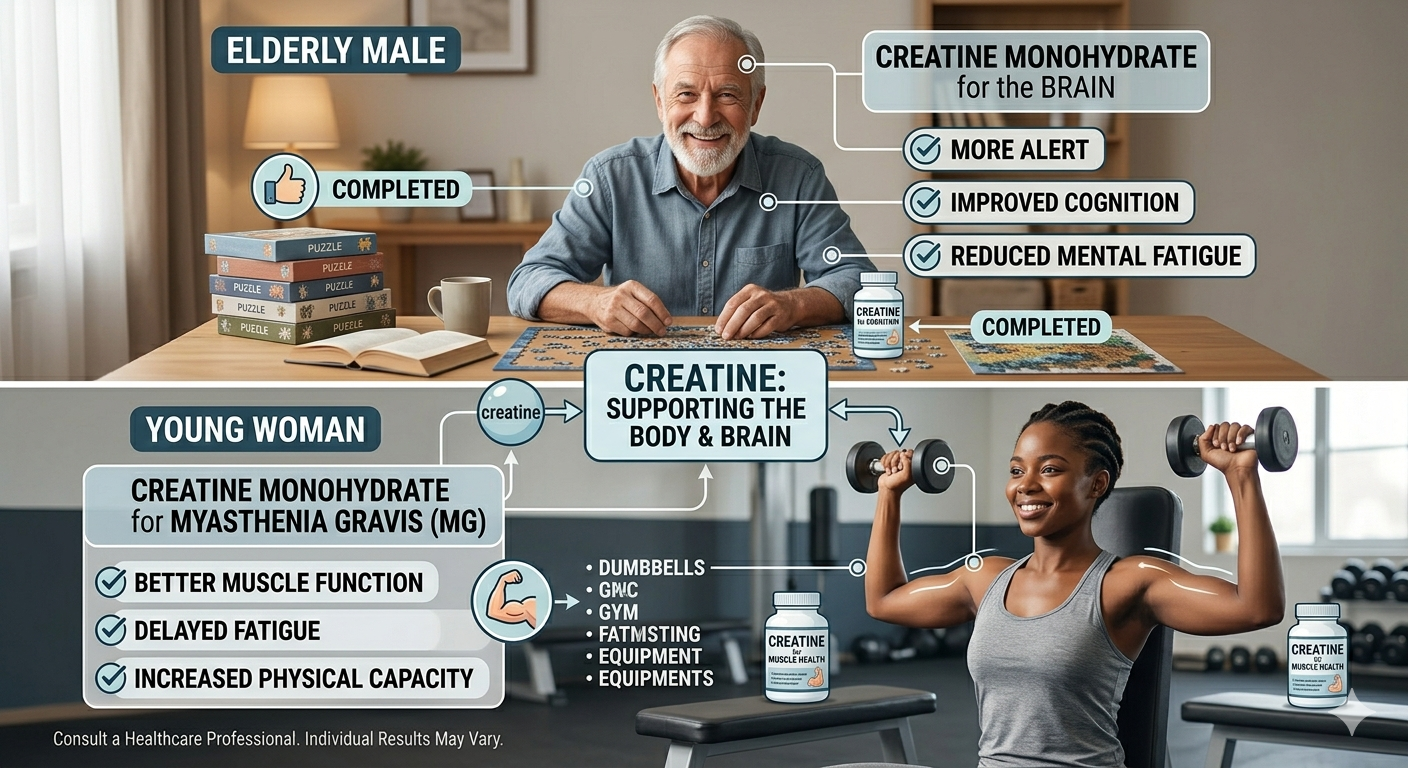
Creatine supplementation may improve cognitive function, improve memory, and boost mood, particularly in individuals experiencing stress or sleep deprivation and for both vegetarians and older adults, as they typically have lower baseline levels of creatine.
CREATINE BENEFITS THE BRAIN AND MUSCLE
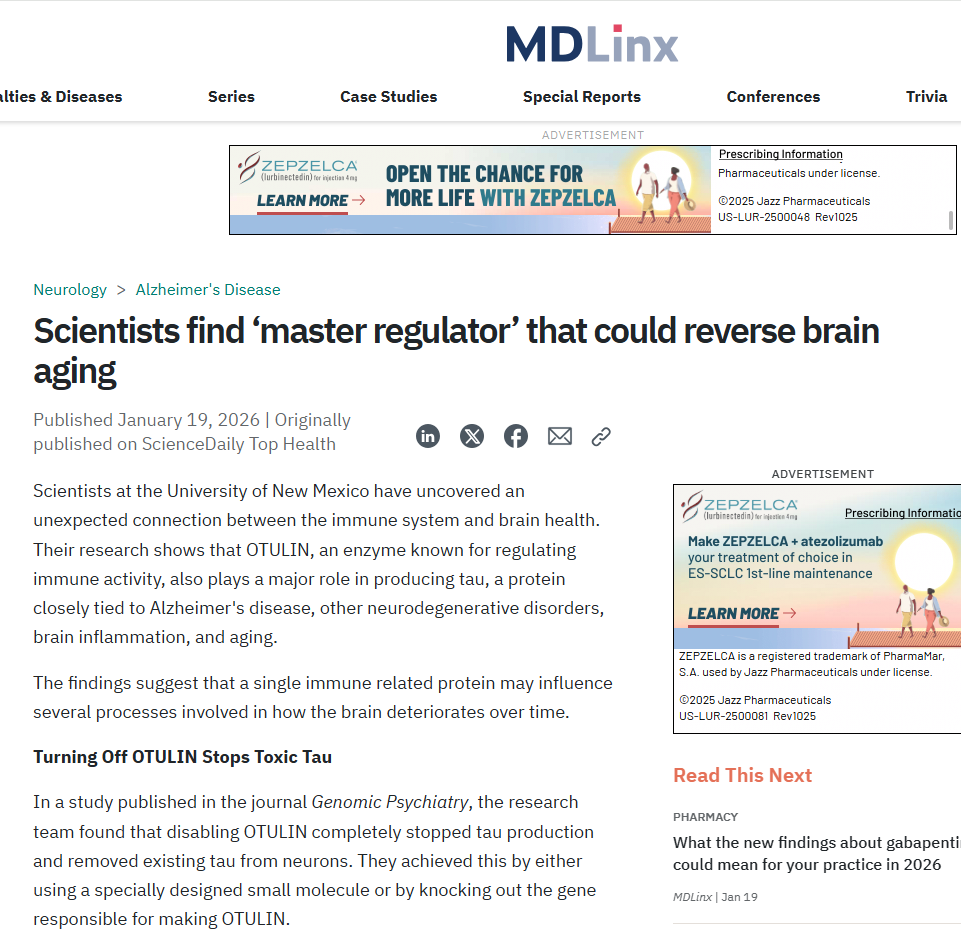
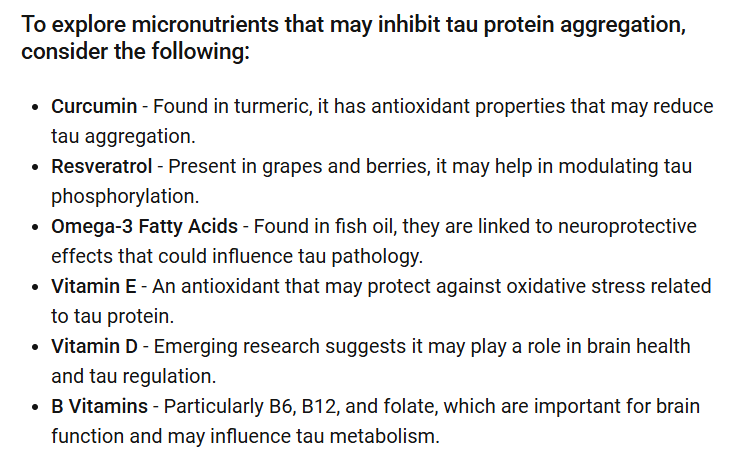
Does this list look familiar? Same nutrients that we wrote about concerning anti-aging and telomeres.
TELOMERES, ANTI-AGING, SIMONE TEN POINT PLAN
Should the taxpayer (via Medicare/Medicaid) pay for drugs that are essentially ineffective? Or should these patients take nutrients that are inexpensive and also effective?
_________
*Drug Effectiveness Review Project (DERP)* and the Agency for Healthcare Research and Quality (AHRQ), and an evaluation conducted by the Department of Veteran’s Affairs Pharmacy Benefits Management Strategic Health Group (www.vapbm.org). DERP is an Oregon-based collaboration of public and private organizations, including fifteen states, that have joined together to provide systematic evidence-based reviews of the comparative effectiveness and safety of drugs in many widely used drug classes and to apply the findings to inform public policy and related activities. It is managed at Oregon Health and Science University.
(c) 2017 Charles B. Simone, M.MS., M.D.